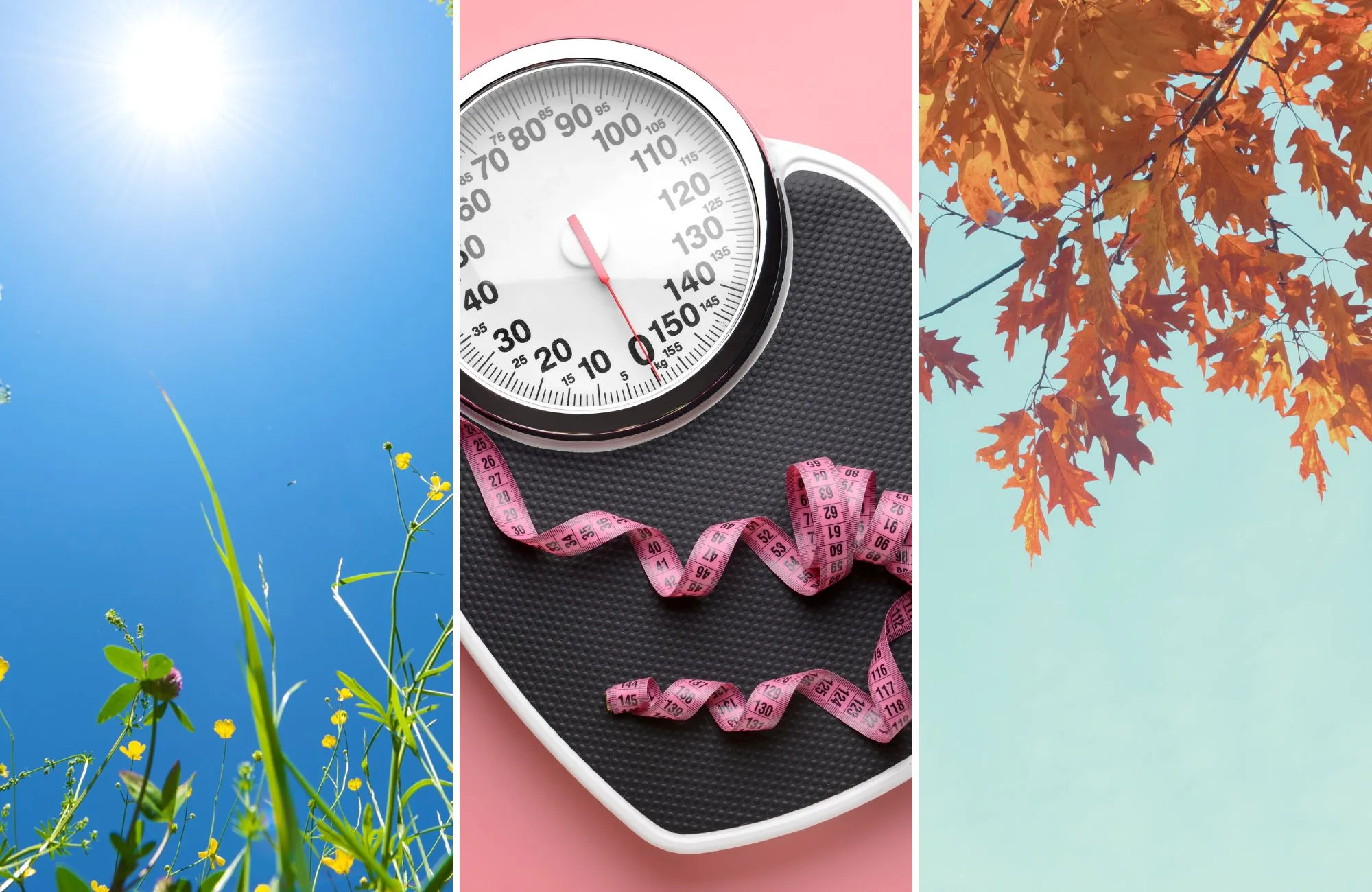
Making meaningful progress with weight loss is something to be proud of, but the number on the scale is only one part of the bigger picture. As weight comes off, the focus often begins to shift from simply losing pounds to improving body composition, how much of your body is made up of fat, muscle, and other lean tissue. This next phase can be an important part of maintaining progress, supporting strength, and feeling confident in the changes you have made. By looking beyond the scale and focusing on muscle preservation, fat loss, and overall body composition, you can create a more complete picture of your progress and set meaningful goals for what comes next.
Why The Scale Is Only Part Of The Story
The scale can be a helpful way to track progress, but it does not tell you everything that is changing in your body. Two people can weigh the same amount and have very different percentages of body fat and muscle mass. This is why body composition can become especially important as you get further into your weight loss journey.
As weight decreases, the goal is not just to lose pounds, but to lose body fat while preserving as much lean muscle as possible. Looking at measurements such as body fat percentage, skeletal muscle mass, and visceral fat can provide a clearer picture of your progress than weight alone.
It is also common for the scale to slow down or stay the same even while positive changes are still happening. You may be building or maintaining muscle, losing inches, becoming stronger, or noticing that your clothes fit differently. These changes are meaningful signs of progress and can help shift the focus from simply weighing less to improving overall body composition.
Protecting And Building Muscle During Weight Loss
Maintaining muscle during weight loss is an important part of improving body composition. When you lose weight, the goal is to lose primarily body fat while preserving as much lean muscle as possible. Muscle supports strength, mobility, metabolism, and your ability to maintain weight loss long term.
Adequate protein intake and regular strength training are two of the most important tools for protecting muscle. Protein provides the building blocks your body needs to repair and maintain muscle tissue, while resistance exercise gives your body a reason to hold on to that muscle as weight comes off.
As you get closer to your goal weight, building strength may become just as important as losing additional pounds. Focusing on progressive resistance training, consistent protein intake, and overall nutrition can help support a stronger, more defined body composition and make the transition from active weight loss to long-term maintenance more successful.
Shifting The Goal From Losing Pounds to Losing Fat
As you get closer to your goal weight, the number on the scale may become less important than what that weight is made up of. At this stage, the focus often shifts from simply losing more pounds to reducing body fat while maintaining or building muscle. This can lead to meaningful changes in how your body looks, feels, and functions even if your total weight changes very little.
Body fat percentage, visceral fat, waist measurements, strength, and how your clothes fit can all provide useful information about your progress. These markers can help show changes that a standard scale may miss and may be especially helpful during periods when weight loss slows.
This shift in focus can also make long-term goals feel more realistic and sustainable. Instead of chasing a specific number on the scale, the goal becomes improving strength, reducing excess body fat, and creating a body composition that supports your health, confidence, and lifestyle.
Addressing Changes That Weight Loss Alone May Not Fix
Significant weight loss can create many positive changes, but it can also reveal areas that may not respond to weight loss alone. Loose or crepey skin, decreased firmness, and areas with less muscle definition can become more noticeable as body fat decreases. These concerns are common and do not necessarily mean that your weight loss efforts have stalled or been unsuccessful.
At this point, some people choose to add treatments that focus more specifically on skin quality or muscle tone. Options such as skin-tightening treatments, muscle-stimulation treatments, and other body-contouring services may help complement the progress already made through nutrition, exercise, and weight management.
The best approach depends on your individual goals, body composition, and the areas you would like to improve. Rather than focusing only on losing more weight, this phase can be about refining results, supporting muscle tone, and helping your body better reflect the progress you have worked hard to achieve.
Creating A Plan For Long-Term Body Composition and Maintenance
Once you have made significant progress with weight loss, the next step is creating a plan that helps you maintain those results while continuing to improve your overall health and body composition. This often means shifting away from short-term goals and focusing more on habits that can be sustained over time.
Consistent strength training, adequate protein intake, balanced nutrition, regular movement, and good sleep all play an important role in maintaining muscle and supporting a healthy body composition. Periodic body composition assessments can also help you see whether you are maintaining muscle, reducing body fat, or making progress in areas that may not show up on the scale.
Your goals may continue to evolve as your body changes. For some people, that may mean building more muscle, improving strength, reducing visceral fat, or simply maintaining the progress they have already made. The key is continuing to focus on habits and goals that support how you want to feel, function, and live long term.
In conclusion, weight loss is only one part of creating a healthier, stronger body. As your journey progresses, focusing on body composition can help you better understand the changes happening beyond the scale and identify new goals for strength, muscle, fat loss, and long-term maintenance.
Whether you are working toward continued fat loss, building muscle, or maintaining the progress you have made, having a plan that evolves with you can help support lasting results.
Sources
- National Institute of Diabetes and Digestive and Kidney Diseases. (n.d.). Eating & physical activity to lose or maintain weight. U.S. Department of Health and Human Services.
- Lopez, P., Taaffe, D. R., Galvão, D. A., Newton, R. U., Nonemacher, E. R., Wendt, V. M., Bassanesi, R. N., Turella, D. J. P., & Rech, A. (2022). Resistance training effectiveness on body composition and body weight outcomes in individuals with overweight and obesity across the lifespan: A systematic review and meta-analysis. Obesity Reviews, 23(5), e13428.